
Planning to study abroad involves more than choosing a university. For students in Bangladesh, successfully obtaining a student visa Bangladesh through the appropriate embassy stands as a critical milestone in the study abroad process. The visa process requires careful planning, accurate documentation, and timely submission to avoid delays or refusals.
Once you receive an offer letter from a recognised overseas institution, it is strongly advised to begin the student visa application immediately. Visa processing times vary depending on the country, intake period, and individual profile. Starting early reduces pressure and helps ensure a smooth transition before your course begins.
Each study destination follows different immigration rules, financial requirements, and documentation standards. Understanding these requirements in advance allows Bangladeshi students and parents to prepare confidently and avoid common mistakes.
Documents Required for Student Visa Application

While exact requirements differ by country, students applying from Bangladesh are generally required to prepare the following documents when they apply for student visa:
Valid Passport
Your passport must meet the validity rules of the destination country. Some countries require validity until course completion, while others ask for additional months beyond your stay. At least two blank pages are usually required, and in some cases, previous passports may also be requested.
Offer Letter from a Recognised Institution
You must submit an official offer or confirmation letter from a government-approved university, college, or institute. Some embassies may also ask for tuition fee payment receipts or enrolment confirmation.
Proof of Financial Capability
Applicants must show sufficient funds to cover tuition fees, living expenses, and other study-related costs. This may include bank statements, sponsor letters, fixed deposits, or approved education loan documents, depending on the country.
English Language Proficiency
For English-speaking destinations, proof of language ability through IELTS, PTE, TOEFL, or equivalent tests is commonly required, based on university and visa policies.
Academic Documents
This includes certificates and transcripts of your highest completed qualification relevant to the course you are applying for.
Additional Supporting Documents
Depending on the destination, students may also need to submit:
- Passport-size photographs
- Student loan approval letters (if applicable)
- Proof of international student health insurance
- Statement of purpose or study plan
Document requirements can vary by country and profile, so careful review is essential before submission.
Student Visa Application for Popular Study Destinations
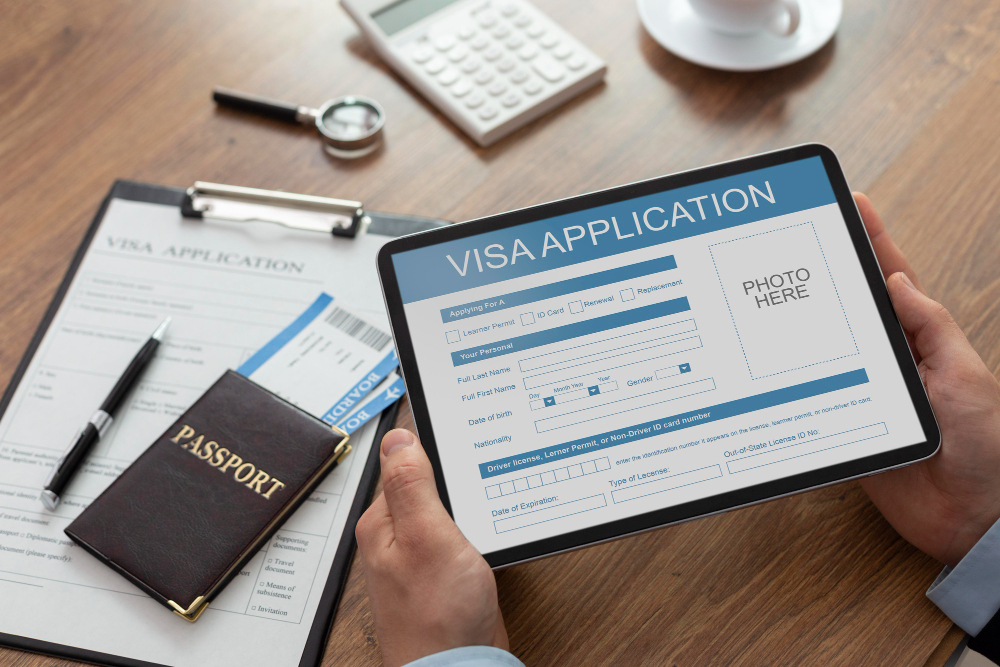
Bangladeshi students commonly apply for student visas to the following destinations:
- Study in Australia
- Study in Canada
- Study in UK
- Study in USA
Each country has unique visa rules, financial thresholds, and processing timelines. Understanding destination-specific requirements is critical before you apply for student visa.
The Process to Apply for Student Visa from Bangladesh
Once you receive your offer letter from a recognised overseas institution, the student visa Bangladesh process begins. Most countries now follow a fully online system for student visa submissions.
Online Student Visa Application
Students are required to create an online visa profile on the official immigration portal of their chosen country. The process typically includes completing the application form, uploading supporting documents, paying the visa fee, and scheduling biometrics or interviews where applicable.
Visa processing timelines vary depending on the destination, intake period, and individual profile. For Bangladeshi students, it is strongly recommended to begin the visa application at least 3–4 months before the course start date, especially if education loans or scholarships are involved.
Expert Education assists students at every stage, ensuring documents are accurate, timelines are met, and applications are submitted correctly to reduce the risk of delays or refusal.