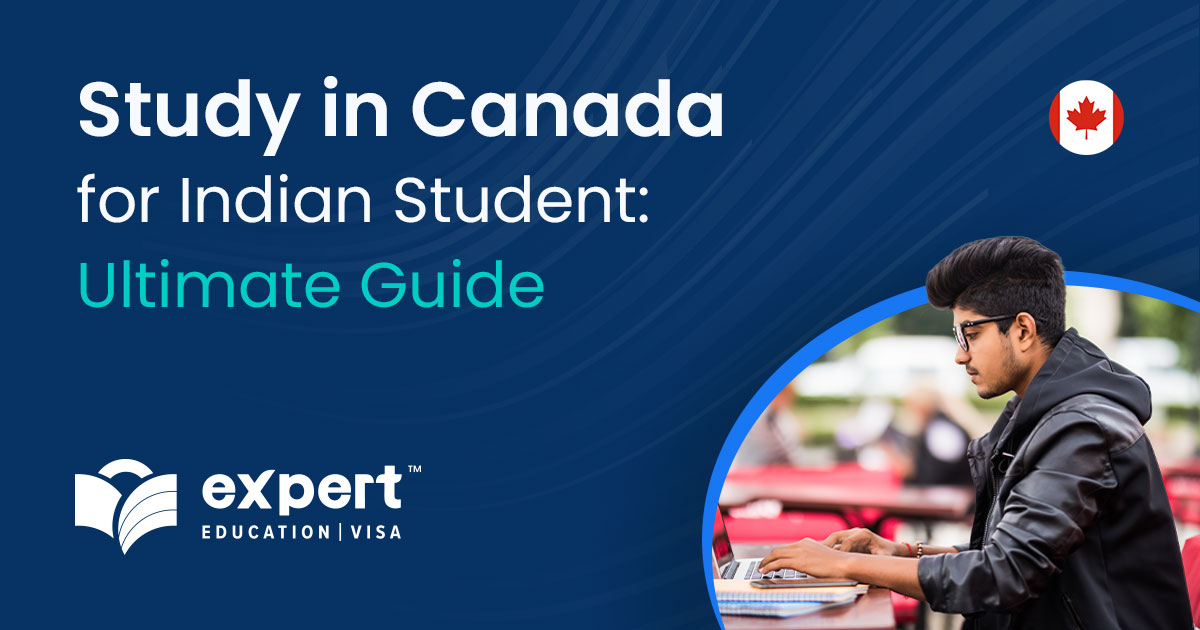
Thinking about studying in Canada? It’s a great choice. Canada has long been a top destination for Indian students, and 2026 could be the best year yet to start your journey.
With the latest immigration updates, fast-track programs for Master’s and PhD students, and clear pathways to Post-Graduation Work Permits (PGWP) and Permanent Residency (PR), studying in Canada is no longer just about getting a degree it’s about building a career, gaining international experience, and securing your future.
In this guide, I’m going to walk you through everything you need to know so you can plan smartly, make the most of opportunities, and avoid common mistakes. Think of it as your roadmap to success in Canada.
Why Most Indian Students Miss Out on Canada’s Hidden Advantages
Here’s the thing: many students think studying in Canada is simply about picking a university and applying for a visa. But the reality is much more strategic than that.
Your program choice, the sector you enter, and how you plan your finances can make or break your chances of work opportunities and PR in the future.
For example:
- Not all diplomas or certificates are PGWP-eligible. Choosing the wrong program can limit your post-study work options.
- Some sectors are in higher demand, meaning your chances of finding a job and eventually applying for PR are much better if you plan smartly.
At Expert Education and Visa Services, we help students uncover these hidden advantages so that you can make decisions that set you up for long-term success.
Pick the Right Program and Fast-Track Your Success
If you’re aiming for a Master’s or PhD, there are some big benefits waiting for you in 2026:
- PAL Exemption: You don’t need a Provincial Attestation Letter (PAL), which means faster visa processing.
- Quick Visa Processing: Eligible PhD applicants may even get their visas processed in just two weeks.
- 3-Year PGWP: Master’s and PhD students automatically get a 3-year Post-Graduation Work Permit, regardless of course length.
This is a huge advantage because it gives you more time to gain Canadian work experience, which is critical for your PR application later.
The 2026 Financial Blueprint: Budgeting for Success
Financial transparency is the #1 factor in visa approval in 2026. Following the updates effective from late 2025, the cost of living requirements have been adjusted to reflect current economic realities.
| Expense Category | Requirement (CAD) | Requirement (Approx. INR) |
| Living Expenses (GIC) | $22,895 CAD | ₹14.25 Lakhs |
| First Year Tuition
*(Depending upon your University ) |
$15,000 – $35,000 CAD | ₹9.5 – ₹22 Lakhs |
| Travel & Incidentals | $2,500 CAD | ₹1.5 Lakhs |
| Total Proof Required | ~$40,000+CAD | ₹25 – 30 Lakhs |
As of January 2026, the Government of Canada has set the mandatory cost-of-living threshold at $22,895 CAD. This figure is officially mandated by Immigration, Refugees and Citizenship Canada (IRCC) and is updated annually to reflect Canadian inflation.
Expert Tip: Getting your finances in order with verified GIC and tuition proofs can increase your chances of visa approval and let you start your Canadian journey without any hiccups.
How to Make the Most of Your Post Graduate Work Permit (PGWP)
The Post-Graduation Work Permit is your ticket to gaining Canadian work experience and improving your PR chances. Here’s how it works:
| Your Program Level | PGWP Eligible? | 2026 Requirement |
| Master’s / PhD | ✅ Yes | 3-Year permit regardless of course length. |
| Bachelor’s Degree | ✅ Yes | Up to 3 Years; No field-of-study restriction. |
| Diploma / Certificate | ✅ Conditional | Must belong to the 2026 Eligible Field of Study List. |
Safe Sectors: Healthcare, STEM, Skilled Trades, Agriculture, and Transport—students in these fields have better PR prospects.
Work While You Study: Earn and Gain Experience
Here’s a secret many students overlook: working part-time while studying can be a game-changer.
- You can work up to 24 hours per week during semesters, which helps cover living expenses.
- Canadian employers value students who gain local work experience, which makes your future PR application much stronger.
Expert Tip: Combine part-time work with internships or skill-building in your sector. By the time you graduate, you’ll have real Canadian experience, making you stand out from the crowd.
Pro Tips to Maximize Your Success to Study in Canada
- Choose the Right Program: Pick a university and course that aligns with PGWP and career goals to save time and boost work opportunities.
- 2. Be Financially Ready: Verified GIC and tuition proofs are key for smooth visa approval.
- 3. Focus on In-Demand Sectors: Study in Healthcare, STEM, Skilled Trades, or Agriculture for better work and PR prospects.
- Optional Advantage – French for PR: NCLC 7 in French can earn up to 50 extra Express Entry points, with 5,000 PR spots reserved for bilingual candidates.
Expert Tip: Even basic French skills give you an edge and can strengthen your PR application—think of it as a bonus strategy to stand out.
Avoid Common Mistakes That Can Delay Your Canadian Dream
- Don’t assume all programs are PGWP-eligible.
- Don’t overlook your financial documentation. It’s critical for visa approval.
- Don’t choose a program without thinking about future work and PR opportunities.
Expert Tip: We can help you avoid mistakes, save time, and give you a clear roadmap to success.
Conclusion: Your Future Starts with the Right Guidance
Studying in Canada in 2026 isn’t just about getting a degree, it’s about building a career, gaining international experience, and securing Permanent Residency.
At Expert Education and Visa Services, we guide you every step of the way from choosing the right program and planning finances to PGWP strategy, career alignment, and PR planning. With the right guidance, you can confidently turn your Canadian dream into reality.
Your future to Study and Work in Canada starts with smart planning and expert advice and that’s exactly what we provide.
Frequently Asked Questions (FAQs)
1. How can I get PR in Canada?
To get Permanent Residency (PR) in Canada, students should focus on completing programs in high-demand sectors, gain Canadian work experience through PGWP, and maintain strong language proficiency. These factors increase the chances of receiving an invitation through Express Entry or Provincial Nominee Programs.
2. Is it harder for Indian students to get a visa in 2026?
Visa approvals in 2026 are more selective. Indian students can improve their chances by enrolling in Master’s programs in high-demand fields and providing verified financial documents, such as GIC and tuition proofs, to demonstrate readiness and stability.
3. Can I work part-time while studying?
Yes, students can work up to 24 hours per week during semesters. This allows students to manage living expenses while gaining local work experience alongside their studies.
4. Why is French important for PR?
French proficiency can boost your Comprehensive Ranking System (CRS) score. In 2026, Canada has 5,000 PR spots reserved for bilingual candidates, making it easier for those with strong French skills to secure Permanent Residency.
5. Can my spouse get a work permit?
Spousal Open Work Permits (SOWP) are primarily available for partners of Master’s and PhD students. Undergraduate and diploma students are generally not eligible to bring a spouse on a work permit.